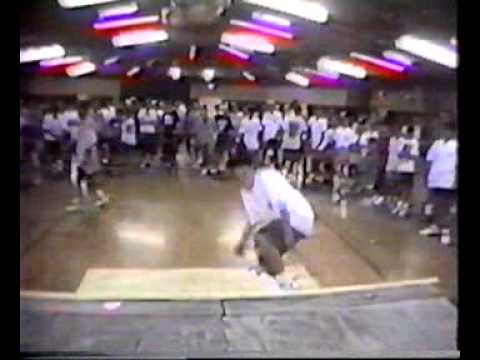
Item removed
H-Street’s Hokus Pokus

Travis
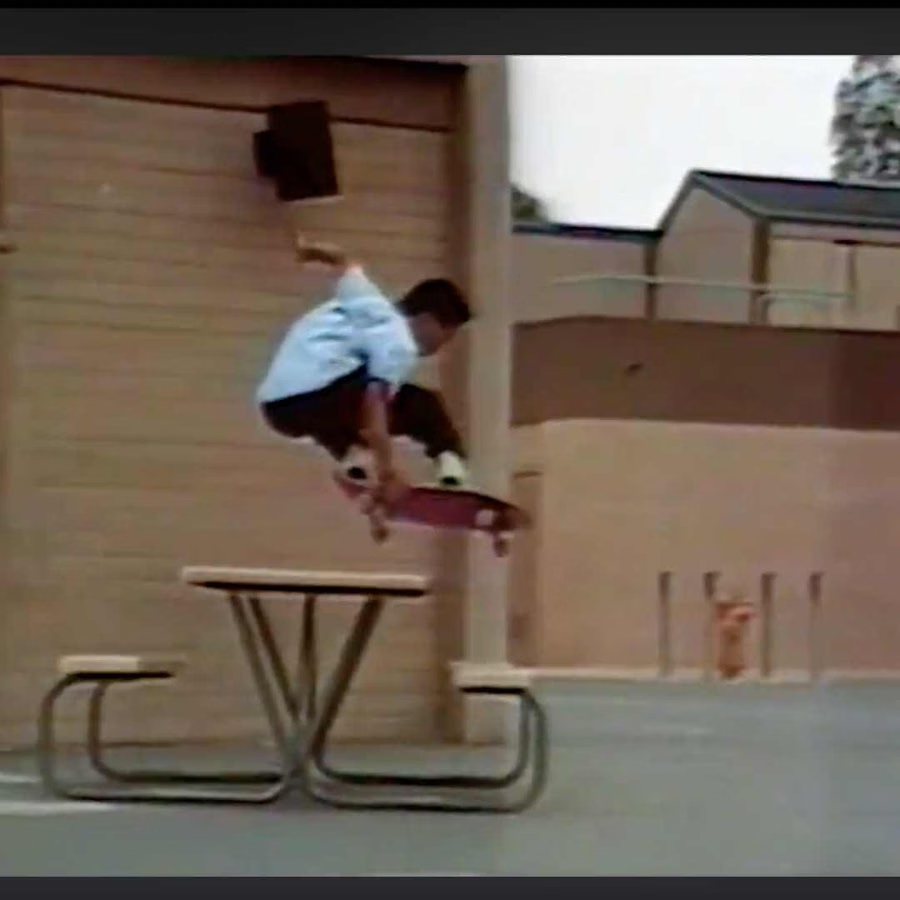
One of the most influential skate videos ever made. Produced on a shoestring VHS budget by Mike Ternasky and Tony Magnusson, Hokus Pokus introduced a new aesthetic to skateboarding — smoother, cooler, and driven by an unconventional soundtrack of underground and indie rock that nobody had heard in a skate video before.
Company: H-Street Skateboards
Released: 1989
Era: Late 80s / The Technical Street Revolution
Featured Skaters: Matt Hensley, Danny Way, Tony Magnusson, Sal Barbier, Ron Allen, Brian Lotti, Mike Carroll, Kien Lieu, Alphonzo Rawls, Colby Carter, and more.
If you want to understand what changed skateboarding as the 80s turned into the 90s, you don’t need a history book. You need Hokus Pokus.
Released in 1989 as H-Street’s second full-length video, it was shot on consumer-grade VHS cameras and edited at home — a deliberately lo-fi approach that co-founder Mike Ternasky saw not as a limitation but as a statement. Powell-Peralta had big budgets and polished productions. H-Street had vision. And on the evidence of Hokus Pokus, vision won.
The video’s most immediate impact was its soundtrack. While most skate videos of the era ran on punk and hip-hop, Ternasky leaned into obscure indie rock and underground bands — demo cassettes and unsigned artists who fit the mood he was chasing. Bands like The Cry became forever linked to the skating of Matt Hensley and the era itself, their echo-drenched guitar lines giving the whole video a moodier, more deliberate feel. The music wasn’t background noise. It shaped the way you watched.
And the skating was extraordinary. Matt Hensley’s part remains one of the all-time great street sections — fluid, precise, and so far ahead of what most skaters were doing that it was disorienting. Danny Way, still a teenager, showed the kind of raw vert progression that hinted at what he’d eventually become. Brian Lotti was doing things on a skateboard that nobody had a name for yet. And early footage of Mike Carroll already showed the impeccable pop and style that would make him a legend.
Hokus Pokus didn’t have a polished narrative or a high-concept presentation. What it had was authenticity, atmosphere, and a way of filming street skating that made every spot feel alive. It set a template — not just for how to make a skate video, but for how street skating could feel. Ternasky would go on to launch Plan B and push the format even further. But this is where the aesthetic was born.
If you’ve never seen it, find a copy. Essential.